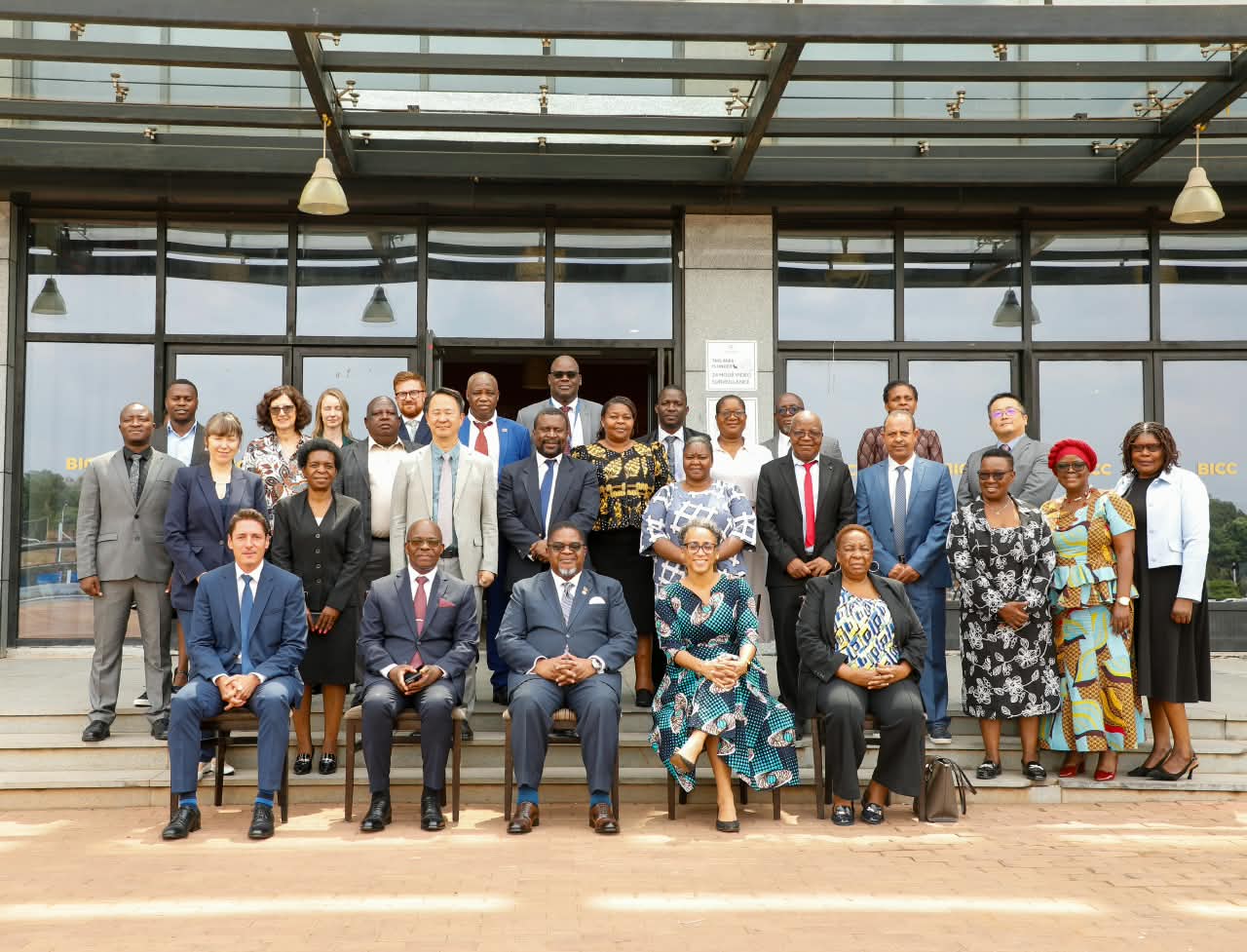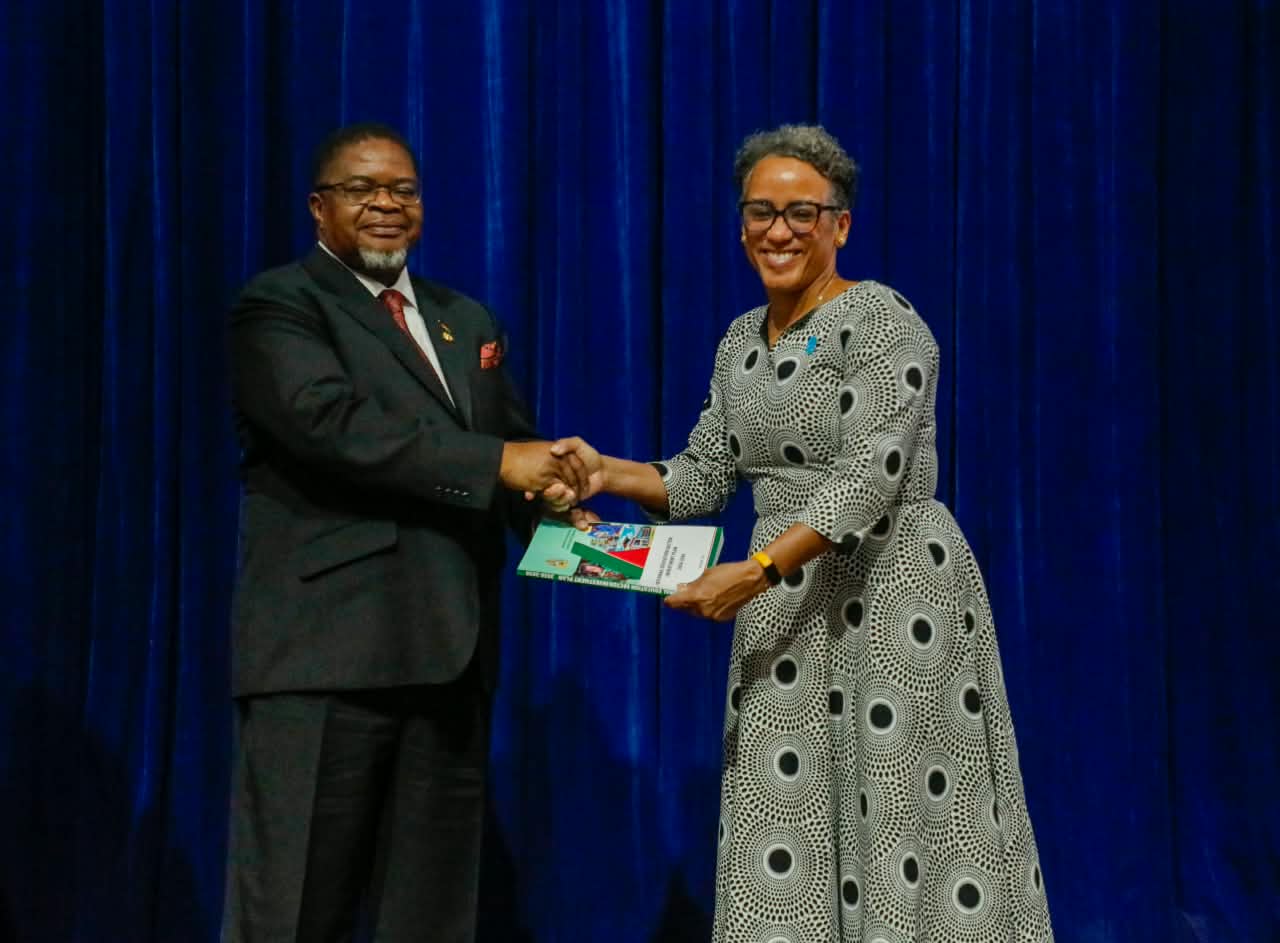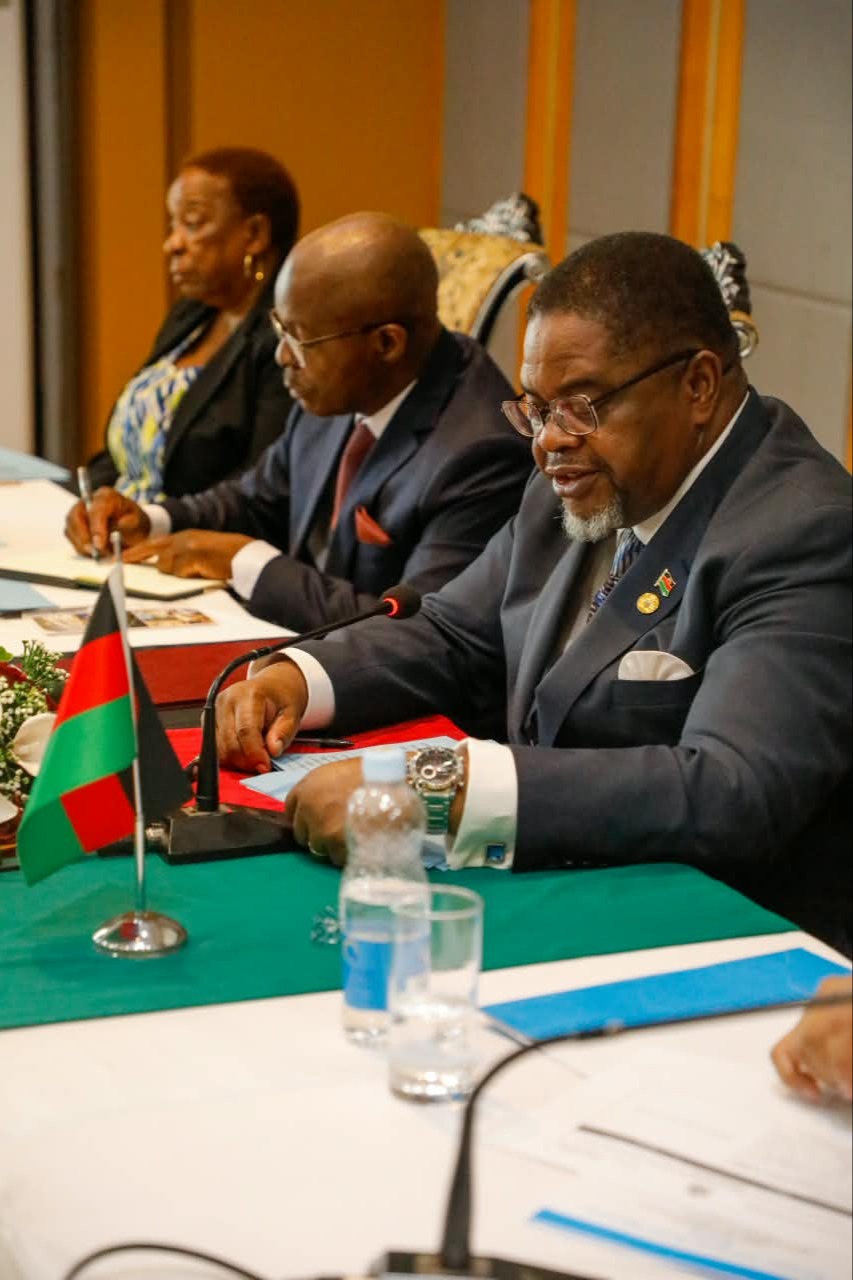
Minister of Education, Science and Technology, Honourable Bright Msaka SC, has called on development partners to strengthen coordinated financing for education, saying effective implementation of the National Education Sector Investment Plan (NESIP) 2026–2030 requires sustained investment and collective commitment.
Speaking during the high-level meeting of the Education Joint Sector Review in Lilongwe on Friday Msaka said Government remains committed to increasing domestic investment in education but acknowledged that public resources alone may not be sufficient to meet the sector's ambitions.
He said the launch of NESIP 2026–2030 marks a new chapter in Malawi's efforts to build an inclusive, equitable, resilient and quality education system capable of equipping learners with the knowledge, competencies and skills required for national development.
Msaka said the 2026 Joint Sector Review has provided an opportunity for stakeholders to assess progress, reflect on implementation challenges, identify emerging priorities and reaffirm their commitment to transforming the country's education system.
He said although Malawi has made progress in expanding access to education, significant challenges remain in improving learning outcomes, strengthening foundational literacy and numeracy, addressing teacher shortages and deployment, improving school infrastructure and reducing inequalities.
The Minister said these challenges require renewed commitment and stronger collaboration between Government and development partners to ensure that education investments translate into meaningful improvements in learning.
He called on development partners to sustain and strengthen their support through multi year and well coordinated financing arrangements, while encouraging the exploration of innovative financing mechanisms, including private sector participation, philanthropic contributions, results based financing and climate financing for resilient education infrastructure.
Msaka further urged partners to align their programmes and investments with the priorities, targets and implementation arrangements of NESIP 2026–2030, saying the sector needs to move away from fragmented project based interventions towards coordinated investments that strengthen national systems and maximise the impact of available resources.
The Minister said the success of NESIP would ultimately be measured by improvements in education quality and learners' experiences rather than the number of programmes implemented or resources mobilised.
He said stakeholders must focus on measurable improvements in foundational learning, teacher effectiveness, retention and completion, equitable access, skills development and the overall quality of education delivery.
UN Resident Coordinator Penelope Campbell said the launch of NESIP reflects Government's strong commitment to advancing education outcomes and provides an important framework for coordinated action in the sector.
She said implementation takes place within a challenging fiscal environment characterised by significant constraints on both domestic and external financing, emphasising the need to ensure that available resources are strategically allocated to achieve the country's education priorities.