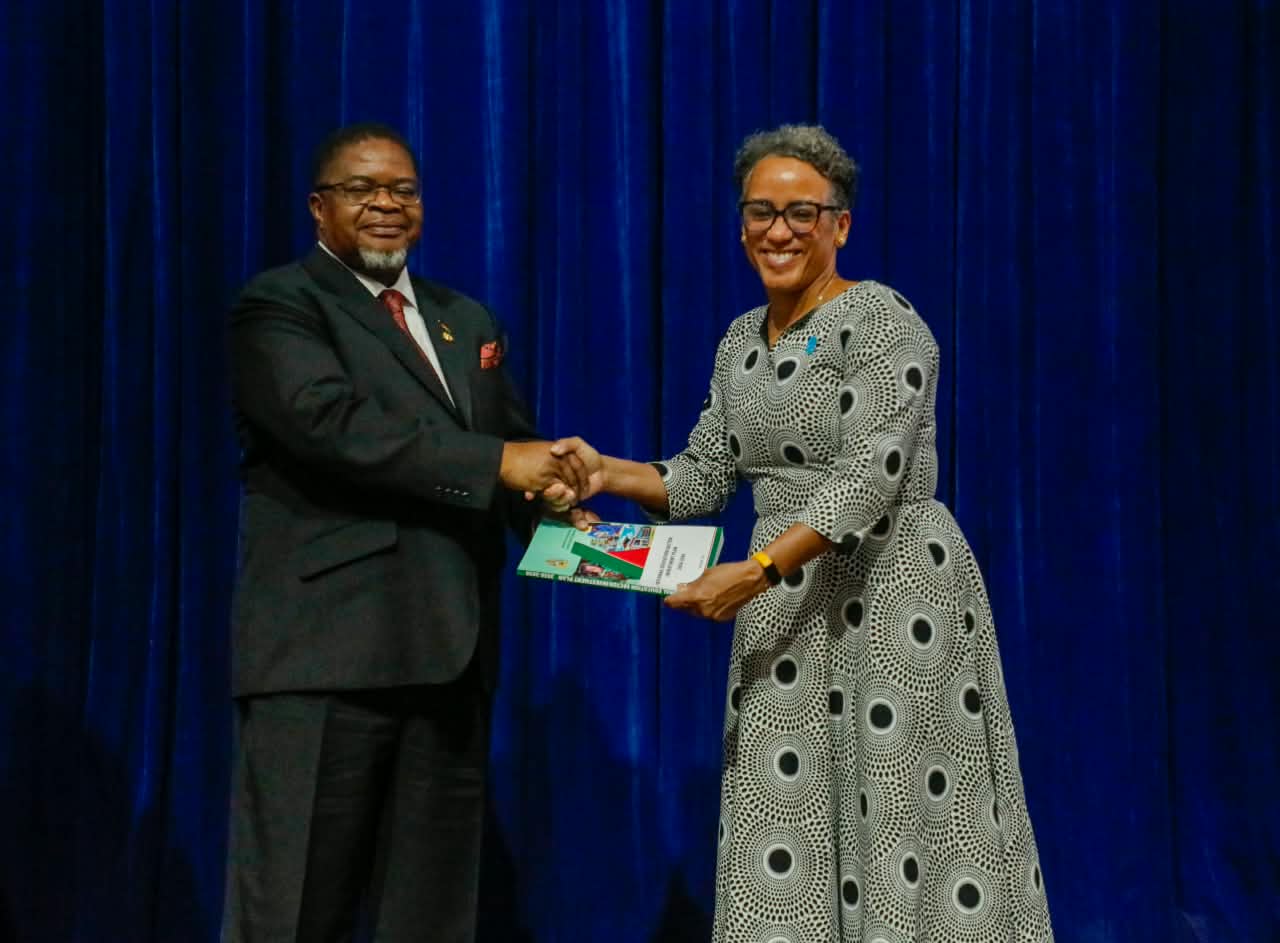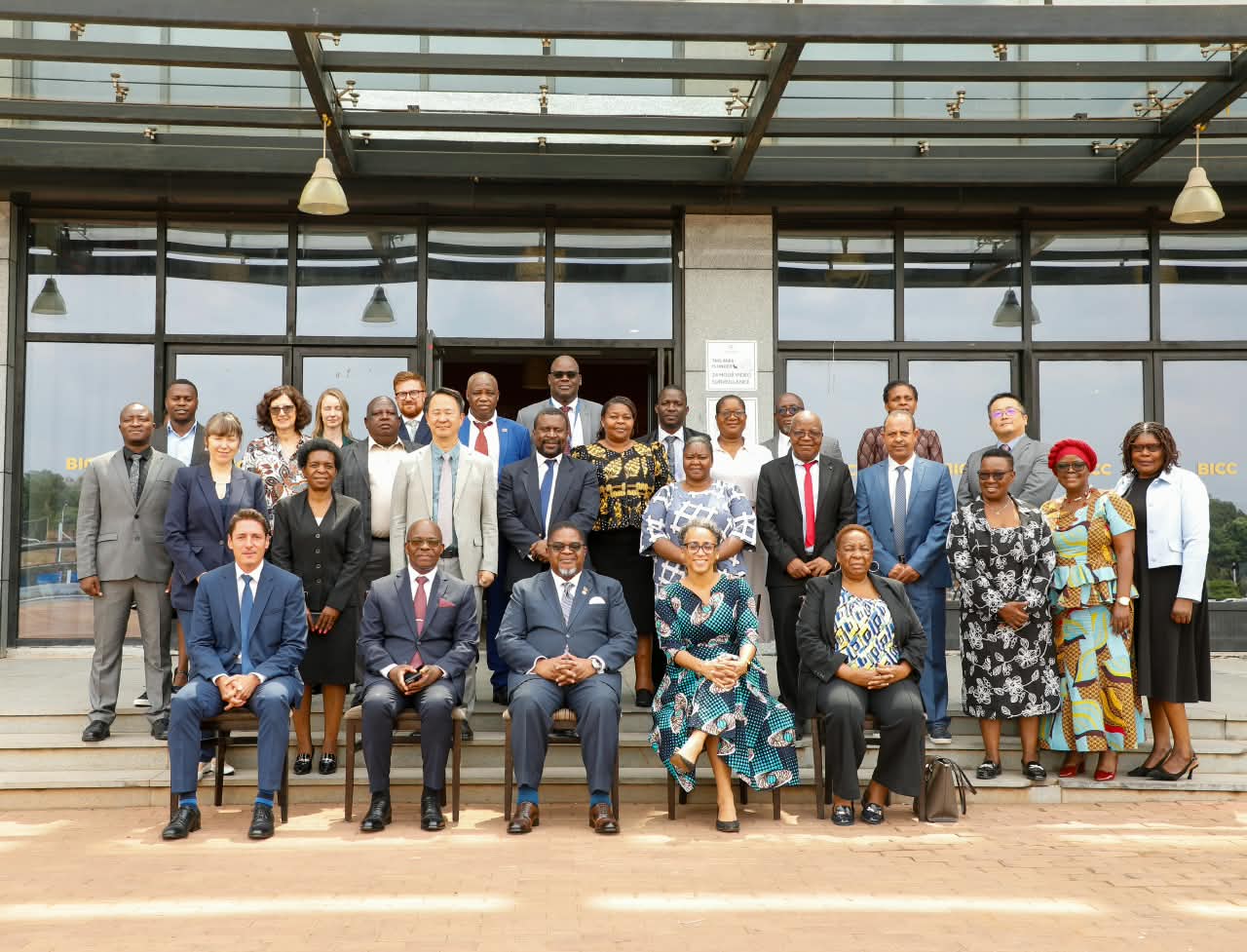
The European Union (EU) has taken over the chairmanship of the Education Development Partners Group from UNICEF, with a commitment to strengthen coordination among education partners and support the implementation of Malawi’s National Education Sector Investment Plan (NESIP) 2026–2030.
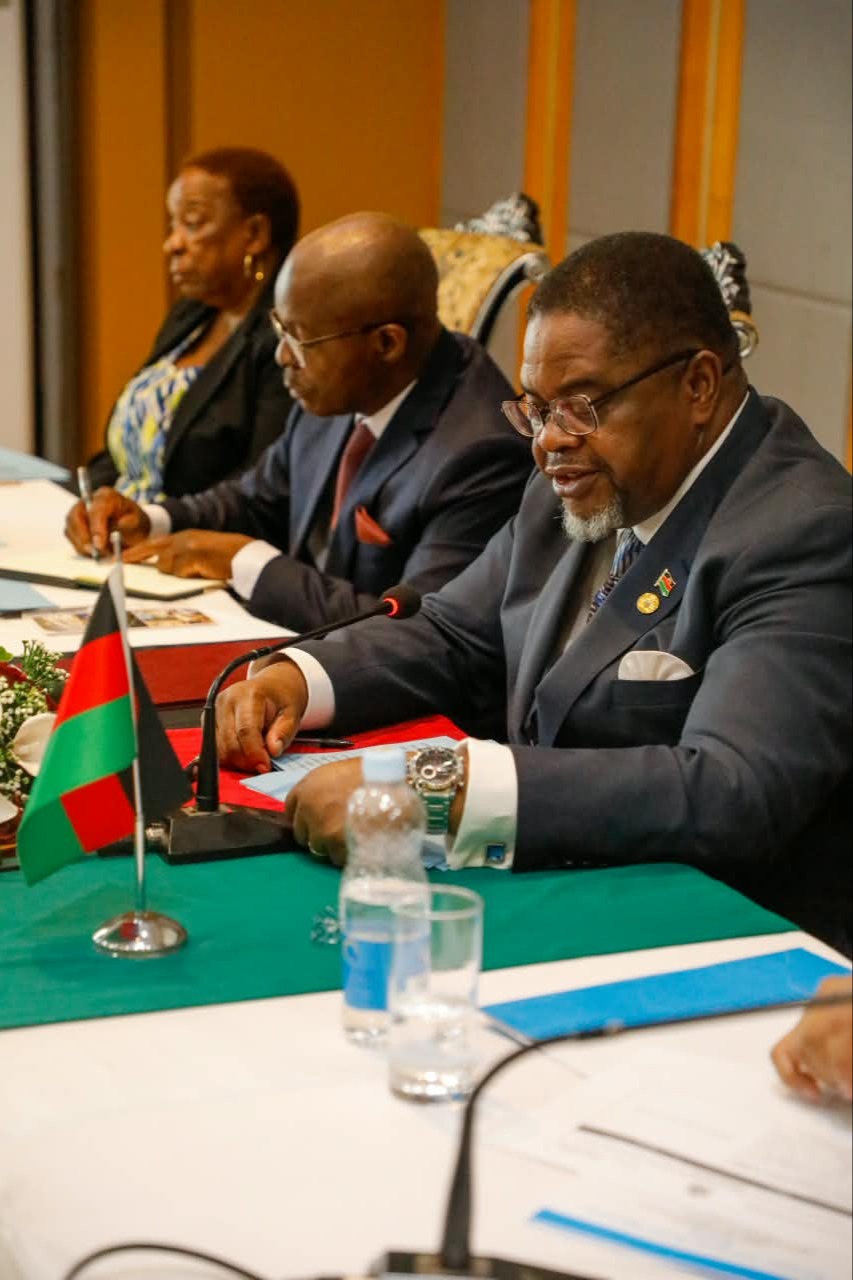
The handover took place during the Education Joint Sector Review held on November 10 and 11 which was followed by a high-level meeting on November 13.
Minister of Education, Science and Technology, Honourable Bright Msaka, SC, welcomed the EU’s assumption of the leadership role, expressing Government’s readiness to work closely with the incoming chairperson in advancing the country’s education transformation agenda.
Msaka appreciated UNICEF for its leadership, saying the organisation has provided valuable coordination, collaboration and constructive engagement in strengthening the partnership between Government and development partners.
He said Government regards development partners not merely as financiers but as strategic partners in advancing Malawi’s education transformation agenda, particularly as the country begins implementing the newly launched NESIP 2026–2030 which is expected to guide sector investments and interventions towards improving access, equity and quality of education
Msaka called on the EU to work closely with Government, UNICEF and other development partners to sustain the momentum generated through the 2026 Joint Sector Review and translate the priorities outlined in NESIP into coordinated action.
He further emphasised the need for strengthened policy dialogue, resource mobilisation and mutual accountability to ensure that education investments produced tangible results for learners and communities.
Representing the incoming chairmaship , EU Head of Cooperation, George Dura, said the EU meis proud to continue its partnership with the Ministry of Education, Science and Technology in supporting NESIP implementation and efforts to expand access to and improve the quality of secondary education.
Dura said the EU will work alongside Government and other development partners to maintain a strong, constructive and well coordinated platform for dialogue and action, ensuring that collective efforts remained aligned with national priorities.
He said the incoming Chairmanship would focus on strengthening information sharing and coordination to improve equity, efficiency and quality in education, particularly at a time when resources were constrained.
Dura also called for support from all development partners, noting that effective coordination was increasingly important in ensuring that available resources were directed towards priority areas.
Representing the outgoing Chairmanship, UN Representative to Malawi Penelope Campbell, reaffirmed the organisation’s commitment to supporting Government leadership in education, saying UNICEF will continue working in harmony with partners and aligning its interventions with national priorities.
Campbell said UNICEF will also support efforts to mobilise additional resources for the sector, including through diversification of partnerships with the private sector.