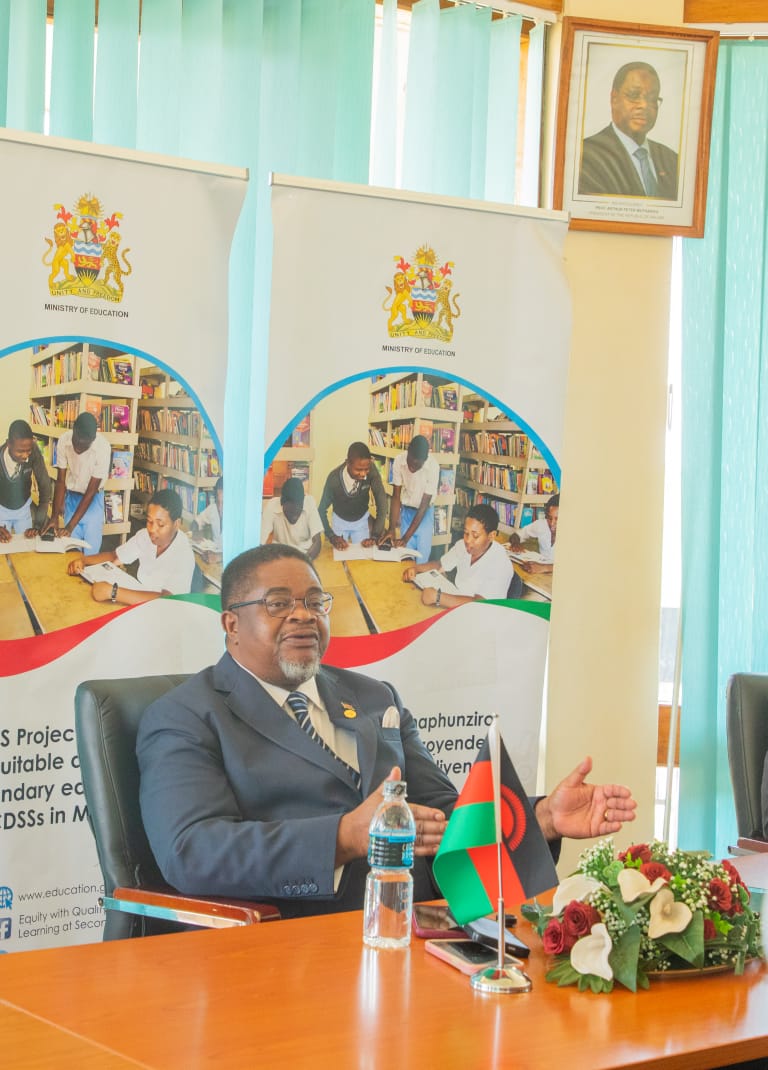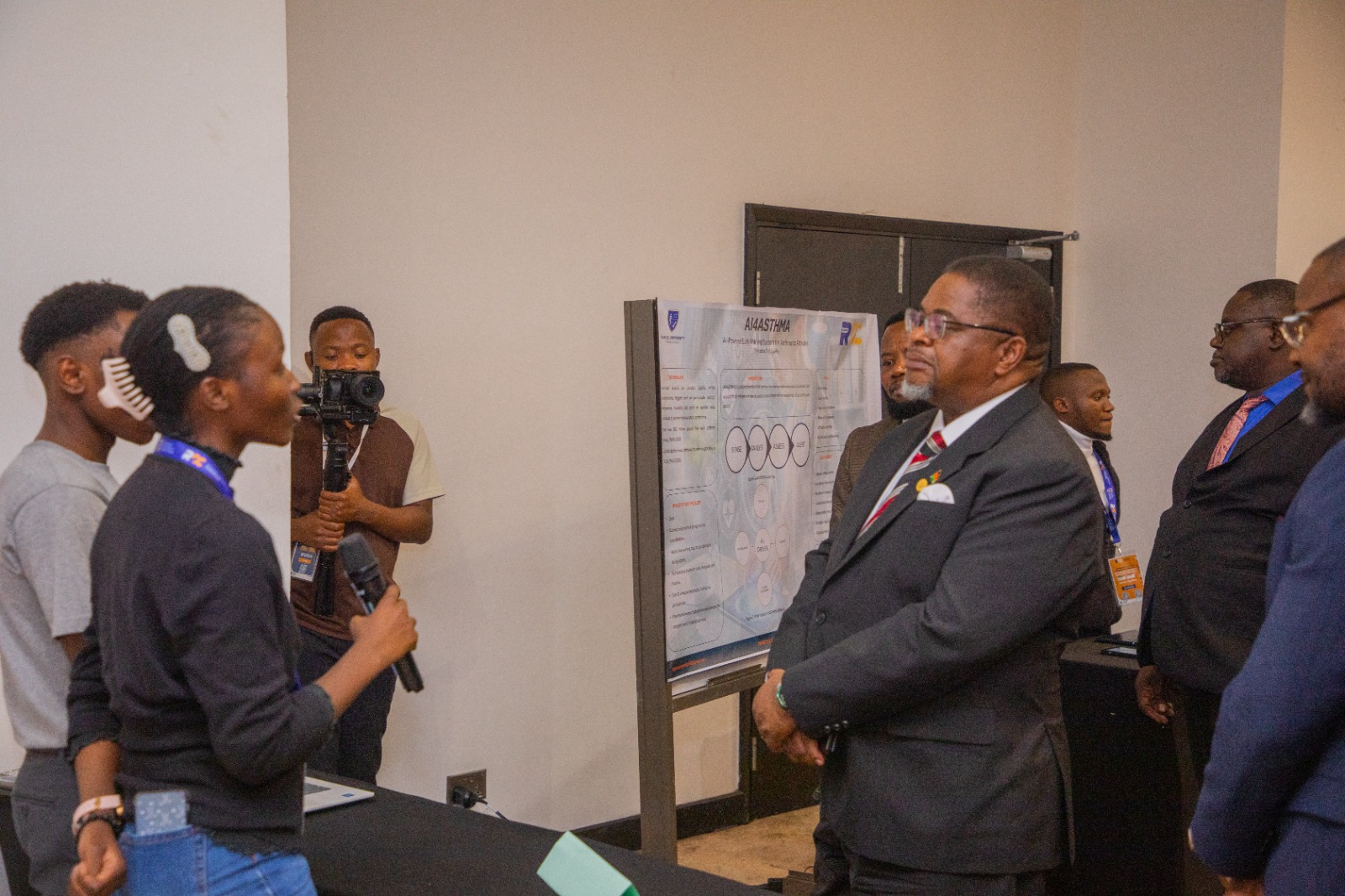
Minister of Education, Science and Technology Hon. Bright Msaka SC has called on higher education institutions in Malawi to expand access to education while maintaining academic standards, strengthening research and producing graduates capable of contributing to national development.
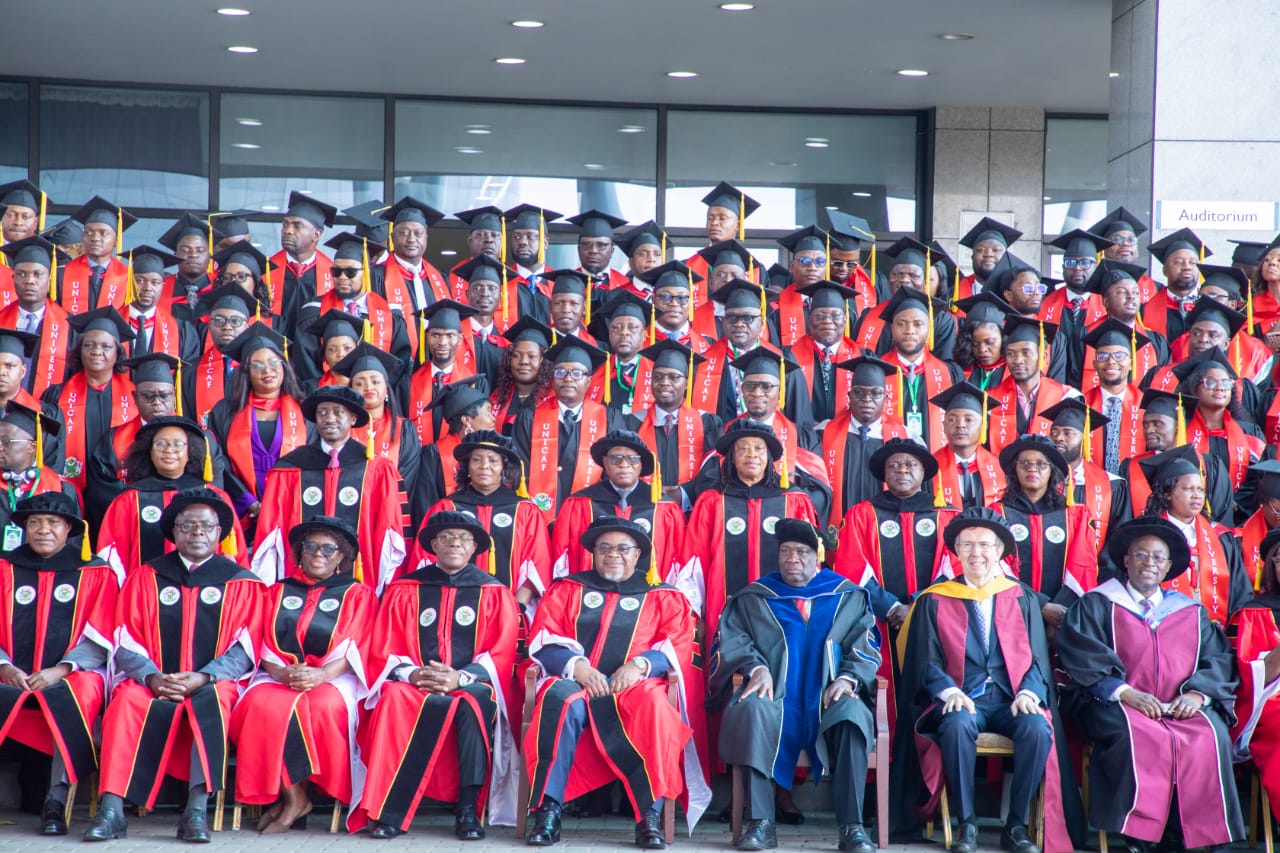
Msaka made the remarks on Saturday during the 2026 Unicaf University graduation ceremony in Lilongwe, where 618 graduates from 67 countries were awarded undergraduate and postgraduate degrees.
He said Malawi needs a higher education system that is accessible, inclusive and relevant, but emphasised that expanding opportunities for students should not compromise the quality of education and qualifications.
Msaka said Government recognises the contribution of both public and accredited private higher education institutions in widening access to university education, particularly through Open, Distance and e-Learning (ODeL), which provides flexible learning opportunities for people who may not be able to attend conventional face to face classes.
According to Msaka, higher education should serve as an engine of national transformation by producing knowledge, skills and innovations that contribute to industrialisation, productivity, entrepreneurship, effective governance and improved livelihoods.
He said Government is committed to strengthening research, science, technology and innovation through institutions including the Directorate of Science, Technology and Innovation and the National Commission for Science and Technology.
Msaka challenged the graduates to use their qualifications with integrity, humility and purpose, saying their education should contribute not only to personal advancement but also to the development of their communities, institutions and countries.
Meanwhile, Unicaf University Vice Chancellor in Malawi Dr Robert Ridley said education must prepare graduates to respond to global challenges, including international conflicts, political polarisation and rapid technological advancements.
He said the university had introduced an Artificial Intelligence and Ethics Policy to prepare graduates to manage technological changes responsibly, noting that although artificial intelligence can improve access to knowledge, it also increases the risk of misinformation.
Ridley encouraged graduates to apply the knowledge and skills acquired during their studies to serve their families, institutions, communities and countries.
The graduation ceremony was held under the theme “Education for a Changing World.” Of the 618 graduates, 200 were Malawians while 418 were international graduates.