Deputy Minister of Education, Science and Technology, Honourable Francis Folley, MP, has said government is committed to providing an education system that equips learners with practical skills and connects them to emerging technologies to meet the changing demands of the labour market.
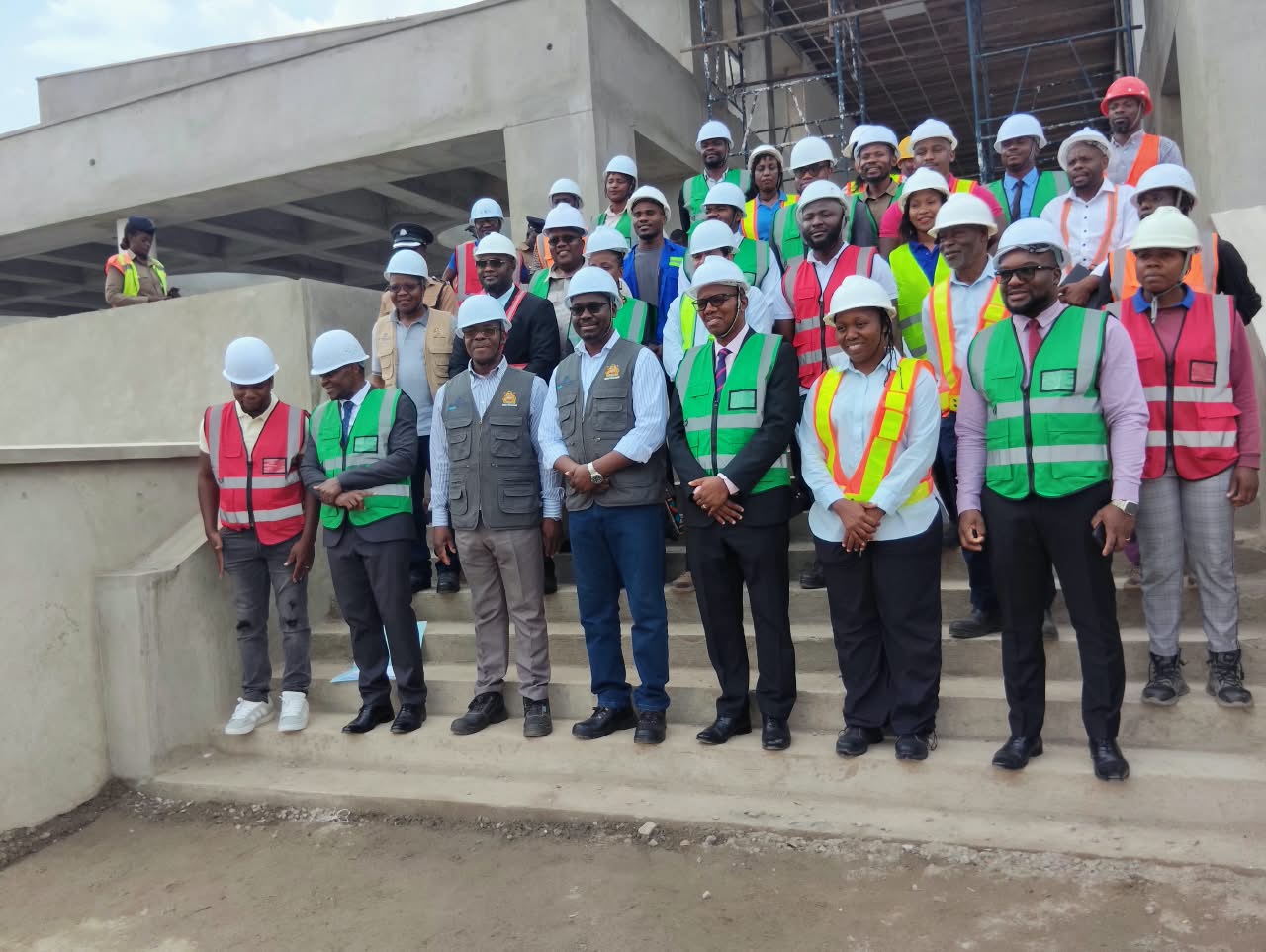
Folley made the call on Friday when he visited the Malawi University of Science and Technology (MUST) to assess progress of construction projects being implemented under the World Bank funded Skills for a Vibrant Economy (SAVE) Project and the government funded Public Sector Investment Programme (PSIP).
He said government wants to move towards an education system where learners are not only equipped with theoretical knowledge but also given opportunities to gain practical experience and engage with emerging technologies.
Folley said the SAVE Project is among government’s initiatives aimed at turning this vision into reality through investments that expand access to market relevant skills development and strengthen institutions’ capacity to provide practical training.
He said the infrastructure being developed in public universities will provide learners with facilities where they can apply knowledge gained in classrooms, develop practical competencies and acquire skills relevant to the world of work.
Folley said higher education institutions have a critical role in producing the skilled human capital needed to drive Malawi’s development aspirations under Malawi 2063.
Meanwhile, MUST Vice Chancellor Mwapatsa Mipando said completion of the infrastructure will improve the quality of education at the institution by giving students access to facilities where they can undertake practical training within the university.
The Vice Chancellor said the facilities will help students graduate with hands-on experience and become workforce ready, as the university currently takes students outside the institution for some practical training.
He said having the facilities at MUST will enable students to put into practice the knowledge acquired in classrooms while gaining practical experience in their respective fields.
The SAVE Project has a total cost of 100 million United States dollars and became effective on 14 October 2021. Initially scheduled to close on 30 June 2026, its implementation period has been extended by one year to 30 June 2027.